The Miss Universe pageant is far more than a celebration of fashion and beauty. It is a global platform that advocates for humanitarian causes, amplifies voices, and pushes for positive change. Beyond the charm of this beauty pageant, it empowers women with confidence, leadership, and purpose, which encourages philanthropy and advocacy among participants of all ages. Miss Universe has made a cultural force in today’s world.
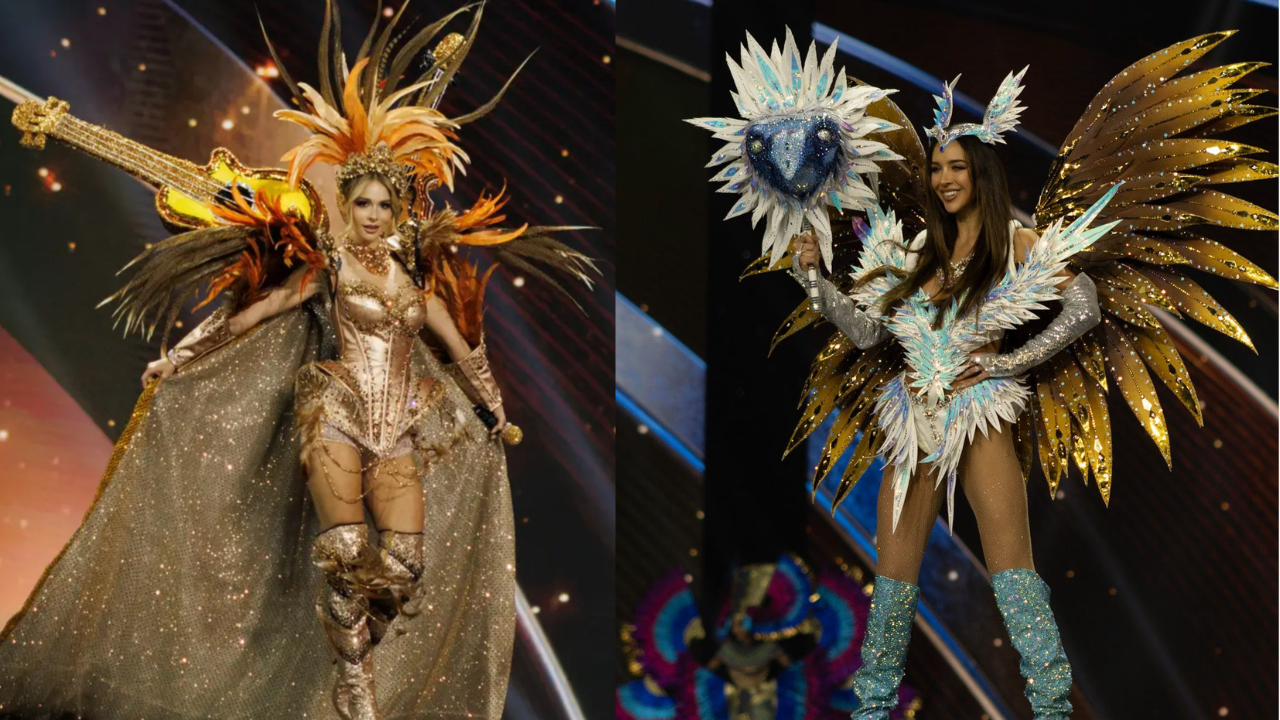
Amidst its mission-driven values and its pledge to shaping influential women. The Miss Universe pageant also exhibits one of the most breathtaking and stunning traditions: the national costume. Here are some of our favourite picks from this year:
Estonia
Brigitta Schaback directed attention in a breathtaking tribute to Estonia’s national animal, the wolf, which she designed herself. Wolves have long symbolized strength, loyalty, and other mysticism across cultures. They embody both power and unity, qualities that make them enduring figures in folklore and national identities.
She looked like a mythical warrior, featuring an armored bodice embellished with intricate gold lace and beadwork. The star of the show was the realistic wolf head, which draped over Brigitta’s head like a hood. The lifelike wolf head was more than just a prop for the outfit; it echoed the creature’s strength and resilience. Additionally the headdress was crowned with a crescent moon accent which gave a dramatic effect to the silhouette of the whole ensemble.
She completed the fiery warrior-inspired costume with a jeweled bow and arrow, paying a powerful homage to Estonian heritage.
Philippines
Ahtisa Manalo lit up the stage as a true fiesta queen in Festejada, designed by Mak Tumang. Her modernized take on the classic camisa, saya, and pañuelo was crafted from hand-woven piña and embroidered with abanico and palay motifs. Abanico and palay motifs are an integral part of the Philippine culture.
The highlight was her dramatic skirt, adorned with over 65,000 hand-cut petals and inspired by three major Philippine festivals. Its tiered structure echoed the brilliance of the Giant Lantern Festival, its vibrant colors drew from Lucban’s Pahiyas Festival, and its textured blooms paid homage to Baguio’s Panagbenga Festival.
A gold-accented Peineta crown, inspired by traditional Filipino jewelry, completed her glimmering celebration of local artistry and heritage.
Bangladesh
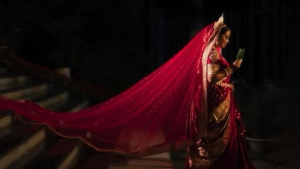
Bangladesh’s Tangia Methela embodied the rich history of Jamdani and the exquisite craftsmanship of Bangladesh’s weavers. The delicate and majestic jamdani was designed by Sadia Syeda.
The legacy of muslin and the grandeur of traditional gold jewelry represented the nation’s royalty. Each thread and weave in her saree carried history and culture, which is slowly becoming a lost art yet is deeply loved by the nation.
She stood in in front of the national stage just like the nation’s national flower, the water lily, to remind the people of the rich and diverse nature of Bangladesh.
The most striking element of her outfit was the golden water lily that surrounded her. Each petal is textured with intricate patterns and speckled golden detailing, creating a shimmering effect that catches the light with every step. The flower gave the illusion that she is emerging from a glowing, sacred bloom which gives an ethereal allure to her presence on stage.
Mexico
Mexico’s Fatima Bosch came onto the stage with a vibrant explosion of Mexican heritage with a costume affluent in Aztec-inspired artistry. Her outfit showcased an opulent mix of green, gold, and red patterns, which were beautifully contrasted by dreamy rose detailing and added softness to a bold look.
A towering headpiece was adorned with geometric configurations and deep roses, which added an intensity to her regal look. Trailing behind her were sweeping red petals, which unfurled in a breathtaking fan, swaying gracefully with each stepping motion.
Bonaire
Ruby Pouchet paid stunning tribute to Bonaire’s celebrated marine world with a shimmering, ocean-inspired costume. She wore a nude bodysuit decorated with royal blue jewels and intricate coral, starfish, and sea-creature motifs that evoked the island’s vibrant reefs.
Her look was amplified by a refined headdress and a sweeping blue trail, both richly detailed with colorful reef imagery. A flowing blue train and net-like accents completed the costume, beautifully capturing the diverse, flourishing seascape that defines Bonaire’s natural beauty.
Turks and Caicos Islands
Bereniece Dickenson of the Turks and Caicos Islands channeled The Brown Pelican, a tribute to their national bird. The costume, designed by Annisa Banyuwangi, featured intricate gold details in what appears to be a shielded bodice. It also features enormous feathers that had a sunburst effect, literally spotlighting her on the stage.
She looked like a bird goddess; she wore a headdress that crowned her look with feathers and jewels with metallic accents. She stood out with an enormous piece composed of two large, golden birds.
She shared that the golden tones and layered feathers reflect the warmth, resilience, and soaring spirit of her island nation, which acted as a reminder of the home she carries with her on the Miss Universe stage.

Published by

Reject garments are available in random and limited sizing, and their distributions move at a fast pace. Therefore we do not maintain inventory. However, if you like a piece we will check if your size if available and hold it for you. Please fill out the form to send us your query.