Bengali weddings are far more than a holy matrimony. They are an exciting celebration of culture, history, love, and deep-rooted traditions. The festivities unfold over a series of meaningful ceremonies, each carrying its own significance.
Pre-wedding events often include gaye holud and mehendi shondha, while the main celebrations feature the wedding ceremony itself along with the symbolic mala badal. Post-wedding rituals such as bou bhaat mark the beginning of a new chapter for the couple. While each wedding is shaped by personal values and family customs, the essence remains the same. Many eagerly await the winter months, when the festive wedding season arrives, bringing families and communities together in celebration of love. But there are some key elements that truly make the wedding a Bengali wedding.
The Bride’s First Heirloom
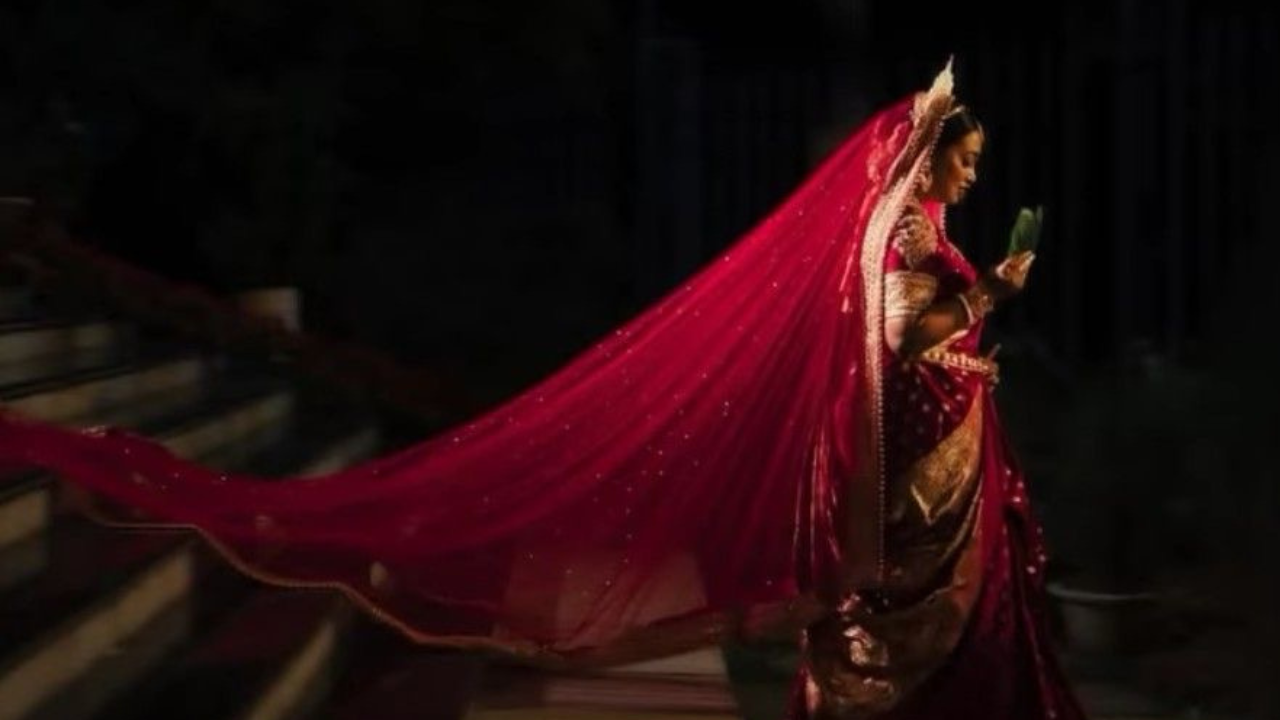
Steeped in spiritual depth and cultural grandeur, the Banarasi saree traces its origins to the Mughal era of the 14th century. Each weave is a testament to centuries-old craftsmanship, where intricate techniques and opulent motifs were shaped by the hands of local artisans, blending royal influences with indigenous artistry.
For a bride, a Banarasi saree is often her first heirloom, a treasured legacy passed through generations. Many women step into life’s most meaningful moments draped in their mother’s saree, carrying forward stories woven with love, memory, and tradition. More than an article of clothing, the Banarasi saree embodies nostalgia, heritage, and the quiet permanence of cherished moments.
Gold and Grace
Jewelry is at the heart of Deshi weddings, and in Bengali ceremonies, gold holds a significance far beyond beauty. It symbolizes prosperity, blessings, and familial pride, deeply rooted in rituals passed down through generations. As a Bengali bride is adorned in layers of radiant gold, each piece reflects tradition and cultural continuity, believed to usher abundance and good fortune into her new life.
These ornaments are more than bridal adornments; they carry emotion and legacy. Gifted by parents and elders, gold jewelry embodies love, prayers, and memories. Long after the wedding, these treasured pieces evolve into heirlooms, passed from one generation to the next, which preserves family stories and traditions in every intricate design.
Sacred of Red
Red is a color of immense power, evoking intense emotions across cultures. It speaks of love, passion, energy, and even danger, but within the sacred space of a wedding, red rises to a far more profound meaning. It becomes a symbol of love, joy, prosperity, and auspicious beginnings, marking the start of a new chapter blessed with hope, abundance, and affection.
For desi brides, red is deeply traditional and extremely symbolic. It represents the passionate and enduring bond that unites two individuals in marriage.
Across many cultures, red is believed to ward off the evil eye, offering protection to the newly married couple while instilling the bride with strength, happiness, and grace. More than a fashion statement, red is an intimate embrace of heritage and tradition, honoring age-old customs while celebrating the true essence of Bengali roots.
A Bride’s Sacred Canvas
Makeup in Bengali weddings is sacred, serving as a visual language that tells stories through intricate lines and thoughtful designs. This traditional wedding face art, commonly known as Kolka art, forms part of the broader practice of Kopaler Alpona. Alongside there are other beautiful variations such as Chandan art, Chandan bindi, and Kumkum art, each adding depth and meaning to the bride’s ceremonial adornment.
Accomplished in striking red and white, this art form is rich in symbolism. The designs often feature delicate curves, loops, and dotted motifs inspired by nature and folk traditions. White chandan signifies purity, calm, and spiritual balance, while red kumkum represents love, matrimony, and the auspicious bond of marriage. Together, they create a powerful visual harmony that defines the traditional Bengali bridal look, setting it apart with grace, heritage, and traditional beauty.
Evolution of Brides
Modern Bengali weddings continue to honor tradition and heritage while embracing personal expression and individuality. At their core, age-old rituals remain sacred, yet many couples now weave in Western twists such as bridesmaids, first looks, and personalized ceremonies. This thoughtful fusion of customs has given rise to a beautiful evolution and new traditions to be born, where every wedding feels uniquely tailored to the couple’s story, values, and vision.
Today’s Bengali brides are also more empowered to make choices that reflect their personal style and beliefs, often challenging outdated cultural expectations. Supported by friends and family, these decisions celebrate individuality and help move away from restrictive traditions that no longer serve their purpose. This growing shift towards independence, self-expression, work, and mutual happiness marks one of the most meaningful transformations in contemporary Bengali wedding culture.

Published by

Reject garments are available in random and limited sizing, and their distributions move at a fast pace. Therefore we do not maintain inventory. However, if you like a piece we will check if your size if available and hold it for you. Please fill out the form to send us your query.