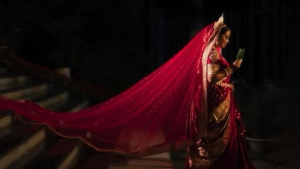
Jamdani: The Timeless Weave of Bengal
Jamdani is one of the most exquisite and renowned handloom traditions of Bangladesh, often described as “the flowered muslin.” This fabric, known for its fine texture and artistic motifs, represents centuries of heritage, culture, and craftsmanship. Woven mainly in Narayanganj and other parts of Dhaka, Jamdani is not only a textile but also a cultural emblem of Bengal.
The name “Jamdani” has Persian roots: Jam means flower and Dani means vase, symbolizing the floral patterns that decorate the fabric. Historically, Jamdani developed during the Mughal period, when Dhaka’s muslin was highly prized in royal courts across Asia and Europe. While muslin was admired for its sheer fineness, Jamdani elevated it with handwoven motifs that seemed to float on the surface. Mughal emperors and noble families favored Jamdani garments, and the craft became a marker of sophistication and luxury.
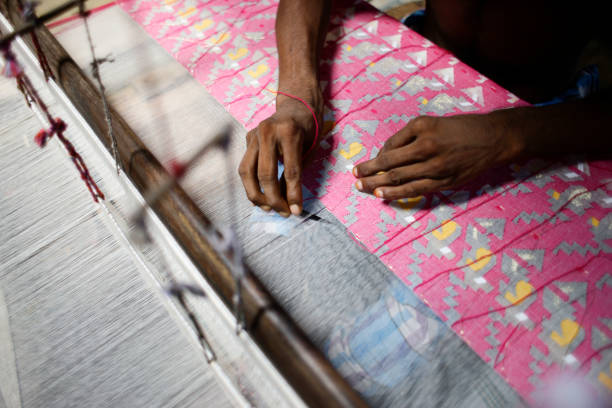
The weaving of Jamdani is an exceptionally slow and labor-intensive process. Artisans use a traditional handloom where motifs are woven directly into the fabric using an additional weft technique. Unlike printed or embroidered fabrics, every design in Jamdani is created by hand, thread by thread, without any mechanical aid. A single sari may take several months—or even up to a year—to finish, depending on the complexity of the design. This process requires not only patience but also immense skill and precision, passed down from generation to generation.
Jamdani motifs are rich with symbolism. Common patterns include flowers, leaves, geometric shapes, and paisleys, each reflecting the cultural imagination of Bengal. The motifs are usually woven in white cotton or colored threads against a translucent base, giving the fabric an ethereal, floating appearance. Traditional designs like tercha (diagonal patterns), butidar (small motifs), and jal (net-like patterns) remain popular even today, while contemporary artisans experiment with new designs to meet modern tastes.
For centuries, Jamdani has been worn during weddings, festivals, and special occasions, symbolizing grace and cultural pride. Beyond fashion, it represents the endurance of a heritage that has survived colonial exploitation, industrial decline, and modern challenges. During British rule, machine-made textiles weakened the demand for handloom weaving, and many artisans abandoned their craft. Yet Jamdani endured, preserved by the dedication of weavers who refused to let the tradition fade.
In recognition of its cultural significance, UNESCO declared Jamdani weaving an Intangible Cultural Heritage of Humanity in 2013. This acknowledgment highlighted not only the beauty of the textile but also the importance of safeguarding the livelihoods of the artisans who keep the tradition alive. Today, Jamdani is celebrated both within Bangladesh and internationally, appearing in fashion shows, exhibitions, and museums. It has become a symbol of national identity and pride.
In conclusion, Jamdani is more than just a fabric—it is a living heritage. Each thread tells a story of artistry, resilience, and cultural continuity. It bridges the past with the present, carrying the legacy of Bengal’s golden age into the modern world. As Bangladesh continues to grow on the global stage, Jamdani stands as a shining example of the nation’s creativity, history, and enduring craftsmanship.